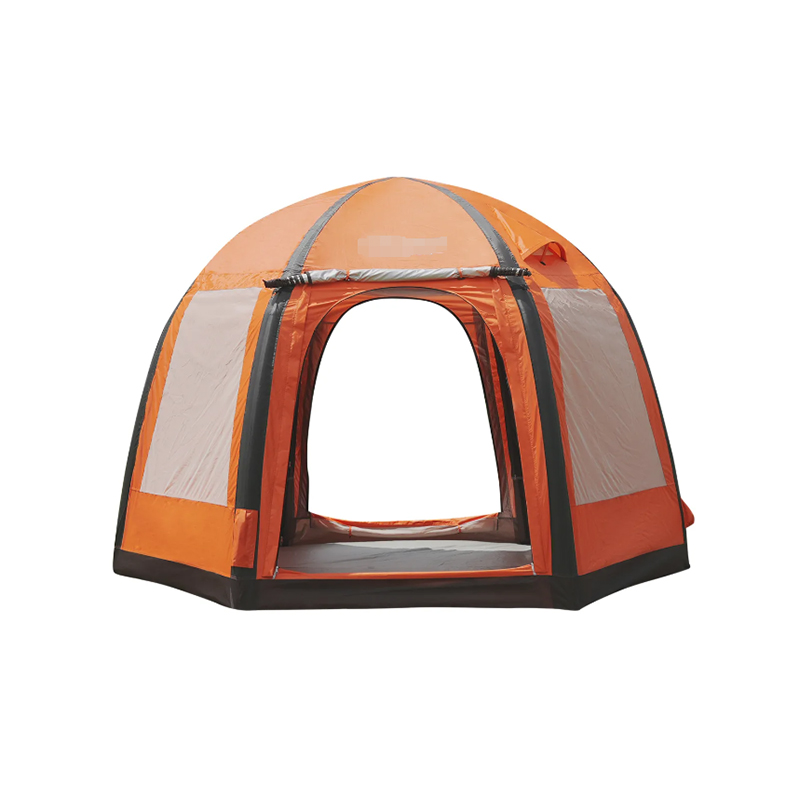
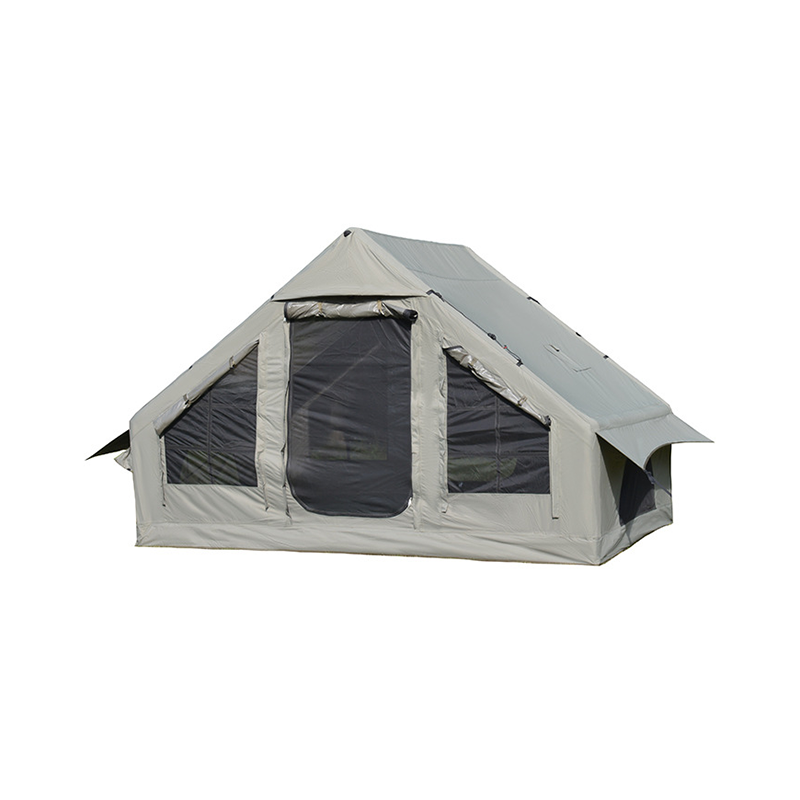
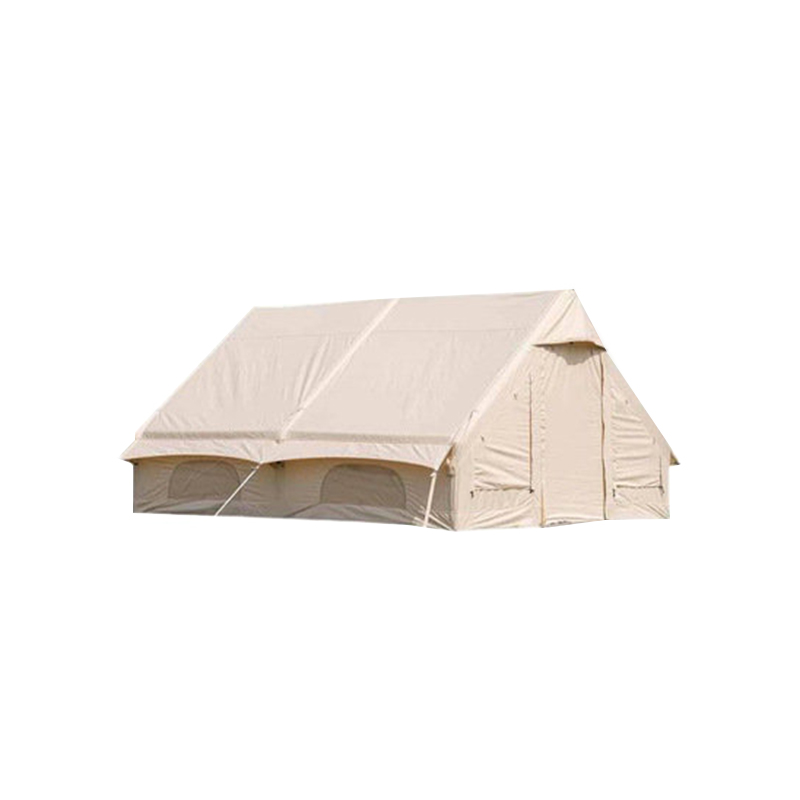
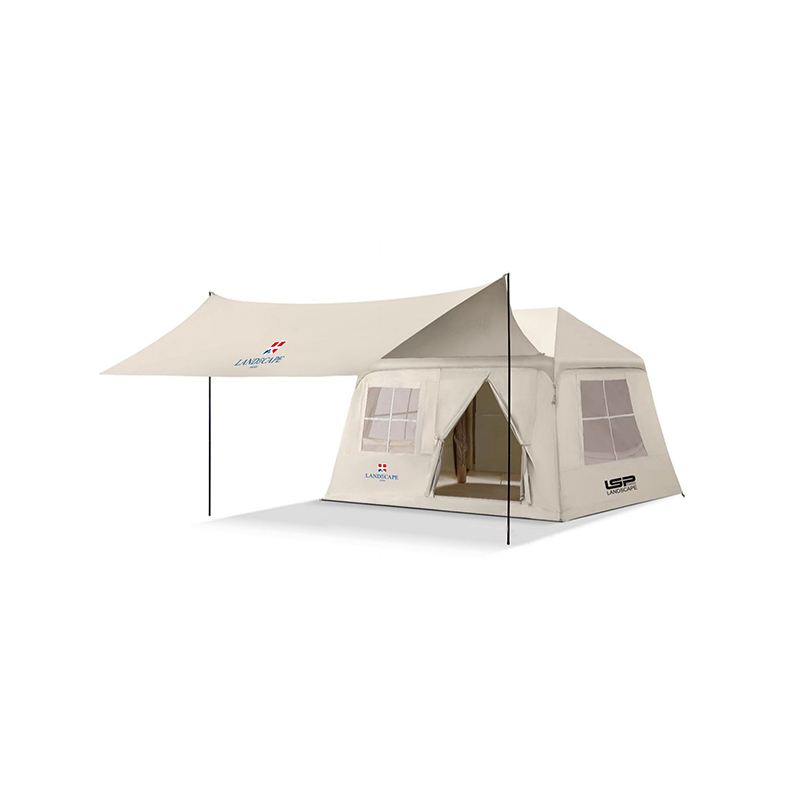
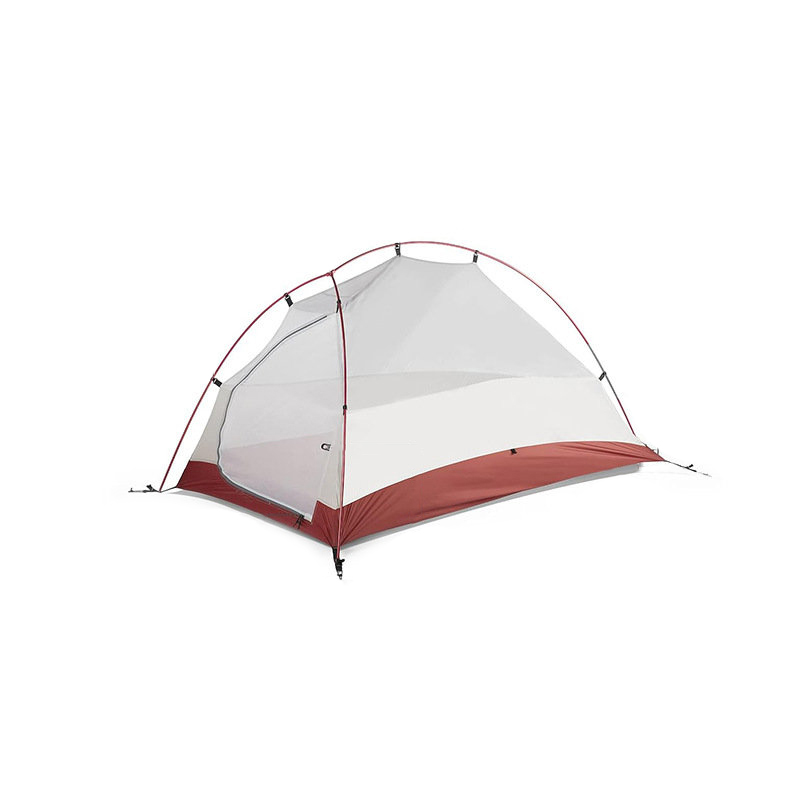
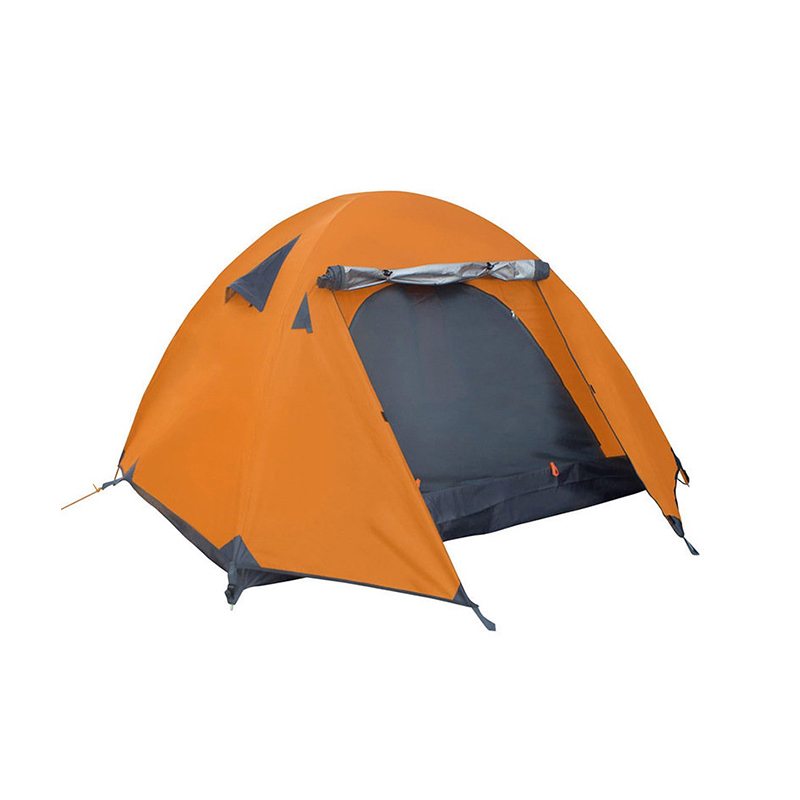
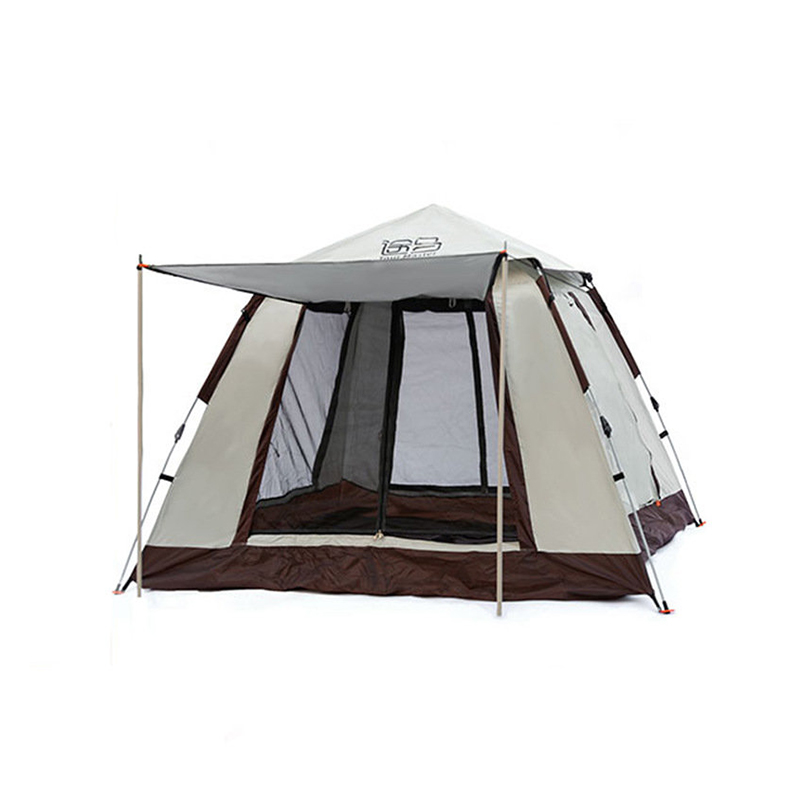
Hemisférický nafukovací stan 2 dveře 4 okna


 Hledat...

Při kempování v horkém počasí může ventilace zhoršit nebo narušit váš zážitek. An nafukovací kempingový stan obecně nabízí větší strukturální flexibilitu pro návrh proudění vzduchu, ale tunelový stan ze síťovaného panelu poskytuje vynikající pasivní ventilaci díky svým velkým otevřeným síťovým povrchům. Každý typ stanu má odlišnou sílu v závislosti na teplotě, vlhkosti a osobních preferencích. Tento článek rozebírá všechny klíčové faktory, které vám pomohou vybrat tu správnou volbu pro kempování v teplém počasí.
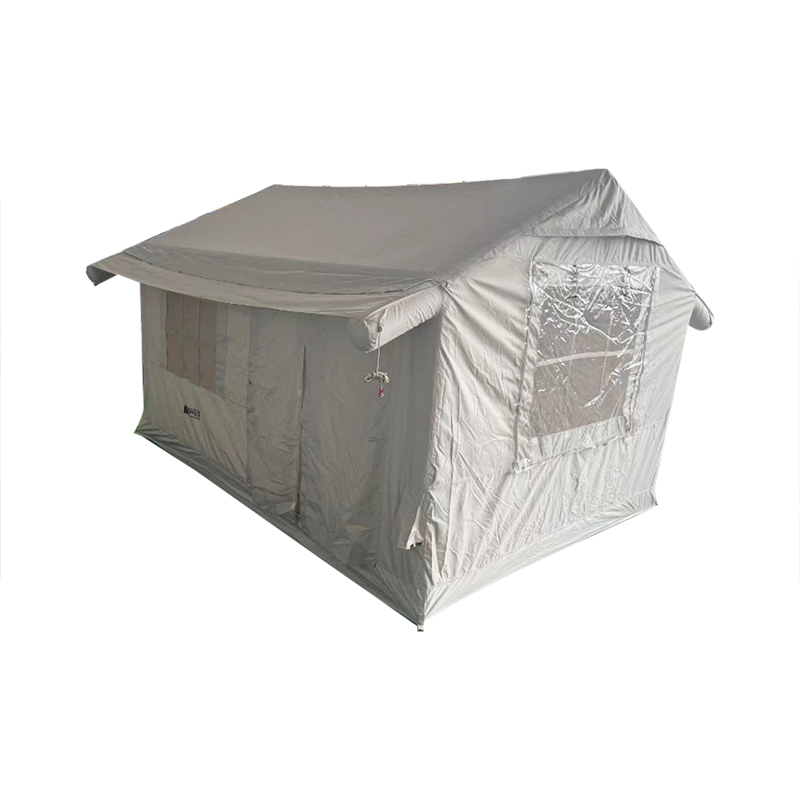
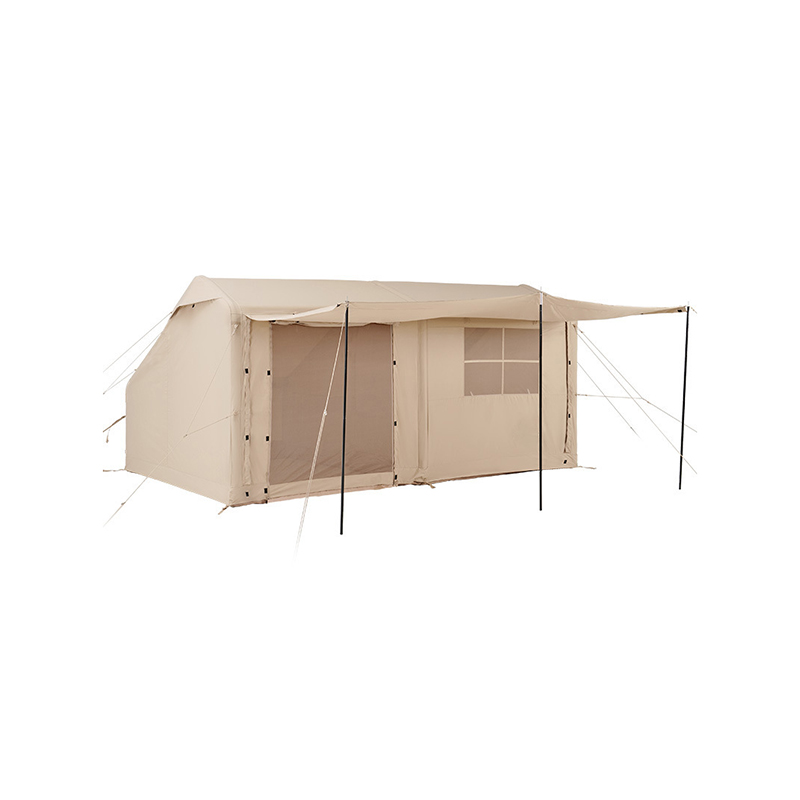
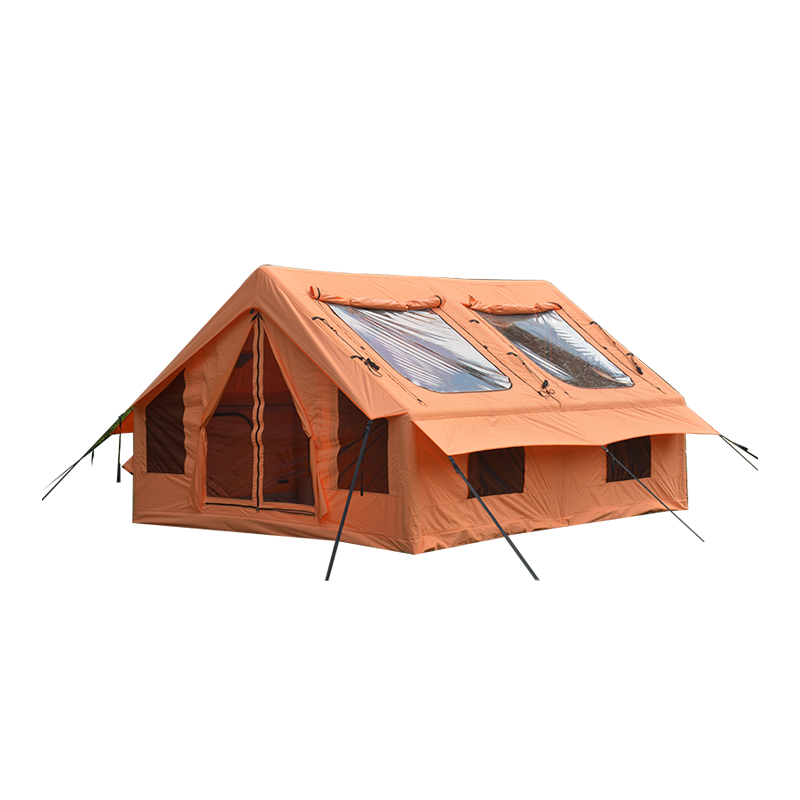
Hlavní rozdíl spočívá v tom, jak vzduch vstupuje a cirkuluje uvnitř každého krytu. Nafukovací kempingový stan využívá vzduchové paprsky místo pevných tyčí, což znamená, že konstrukce může být tvarována více aerodynamicky. Většina modelů obsahuje nastavitelné větrací otvory, síťované panely na zip a nízkoprofilové dveře, které společně vytvářejí příčné větrání. Nicméně, protože vnější plášť nafukovacího kempingového stanu je obvykle vyroben z potaženého nylonu nebo polyesteru, samotné stěny nedýchají.
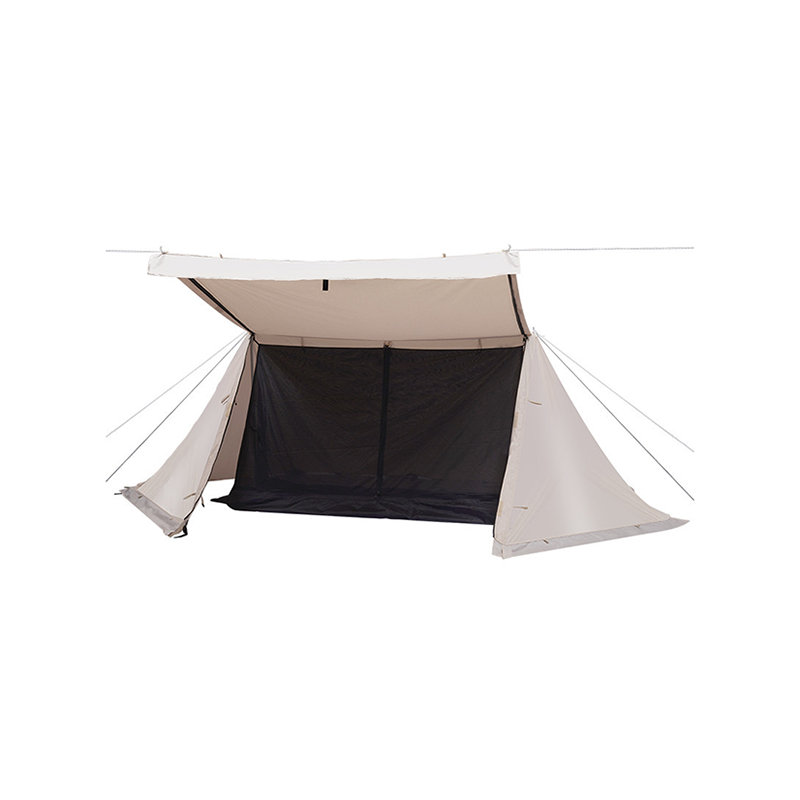
Tunelový stan ze síťoviny naopak nahrazuje velké části vnitřní stěny stanu jemnou síťovinou proti hmyzu. Když je vnější muška částečně nebo úplně srolována zpět, vzduch proudí volně přes síťku téměř bez překážek. V testech prováděných v podmínkách letního kempování mohou designy síťovaných panelů snížit vnitřní teplotu 6–10 °F (3–5 °C) ve srovnání s plně uzavřenými látkovými stany na přímém slunci.
| Funkce | Nafukovací kempingový stan | Tunelový stan ze síťoviny |
|---|---|---|
| Metoda primárního proudění vzduchu | Síťovaná okna s nastavitelnými větracími otvory | Vnitřní stěny z plné síťoviny |
| Pasivní chladicí efekt | Mírný | Vysoká |
| Ochrana proti dešti při větrání | Dobré (chráněné větrací otvory) | Záleží na pokrytí mouchy |
| Riziko kondenzace | Střední–Vysoká | Nízká |
| soukromí | Vysoká | Nízká–Medium |
| Ochrana proti chybám | Vysoká | Vysoká (mesh barrier) |
| Složitost nastavení | Nízká (pump inflation) | Střední (navlečení na tyč) |
Jednou z největších výzev souvisejících s ventilací při kempování v horkém počasí je kondenzace. Když se teplý, vlhký vzduch od cestujících setká s chladnějším vnitřním povrchem stěny stanu, tvoří se kapičky vlhkosti. To je známá slabina mnoha konstrukcí nafukovacích kempinkových stanů, protože utěsněné vzduchové nosníky a potažená tkanina omezují únik vzduchu plného vlhkosti.
Zde excelují tunelové stany ze síťoviny. Protože vnitřní stěny stanu jsou primárně síťované, vzduch nasycený vlhkostí prochází skrz, aniž by narážel na pevný povrch. Studie a zprávy uživatelů neustále ukazují, že síťované vnitřní stany snižují kondenzaci 40–60 % ve srovnání s alternativami s pevnými stěnami v teplém a vlhkém klimatu. Pokud kempujete v přímořském nebo tropickém prostředí, je tento rozdíl významný pro pohodlí spánku.
Nafukovací kempingový stan může zmírnit kondenzaci současným otevřením střešních větracích otvorů a přívodů vzduchu na úrovni země, aby se podpořilo proudění vzduchu vzhůru – ale to funguje efektivně pouze za přirozeného větru.
Vnitřní teplota je přímým důsledkem toho, jak dobře stan větrá. Několik srovnání kempů v reálném světě měřilo maximální vnitřní teploty za podobných letních podmínek:
Tyto obrázky ilustrují, že zatímco nafukovací kempingový stan je podstatně chladnější než standardní kupolový stan, stále nedosahuje tunelového stanu ze síťoviny, když je prioritou maximální chlazení. Nafukovací rodinný stan s větším půdorysem a více ventilačními zónami však dokáže tuto mezeru uzavřít efektivněji než kompaktní konstrukce.
Zatímco tunelový stan ze síťovaného panelu vítězí na čistém proudění vzduchu, nafukovací kempingový stan má konstrukční výhody, které umožňují kreativnější ventilační techniku. Vzhledem k tomu, že vzduchové paprsky jsou flexibilní a nevyžadují pevné tyčové kanály, mohou výrobci zakřivit stěny stanu a střešní linie způsobem, který přirozeně směruje vítr dovnitř. Mnoho prémiových modelů nafukovacích kempinkových stanů zahrnuje:
Dobře navržený nafukovací kempingový stan s integrovanou síťovanou vnitřní částí může fungovat srovnatelně se specializovaným tunelovým stanem ze síťoviny v mírně teplých podmínkách, přičemž stále nabízí lepší soukromí a ochranu za každého počasí.
Pro letní festivaly a přeplněné kempy poskytuje nafukovací kempingový stan lepší soukromí spolu s rozumnou ventilací. Pevný vnější plášť blokuje světlo ze sousedních stanů a nabízí větší odolnost proti prachu hnanému větrem. Malý vzduchový stan je zde obzvláště praktický – jeho rychlé nafouknutí a kompaktní velikost balení usnadňují přepravu ve veřejné dopravě nebo v malém autě, aniž by byla obětována kvalita přístřešku.
V suchém pouštním prostředí je jasným vítězem tunelový stan ze síťoviny. Při nízké vlhkosti není kondenzace problémem a maximální proudění vzduchu je nezbytné pro udržení chladu cestujících po západu slunce, kdy teploty stále mohou překročit 85 °F (29 °C) . Síťované stěny bez překážek umožňují průchod jakéhokoli dostupného vánku, což činí spánek výrazně pohodlnějším.
V tropickém podnebí vlhkost zesiluje tepelné nepohodlí. Oba typy stanů se stejně potýkají s trvalou vysokou vlhkostí, ale design síťovaných panelů stále udržuje okraj v proudění vzduchu. To znamená, že nafukovací kempingový stan s podlepenými švy a vysokou hydrostatickou hlavou (ideálně 3 000 mm nebo více ) lépe zvládá náhlé bouřky deště, které jsou běžné v tropických oblastech.
Pro rodiny, které kempují v létě, nabízí nafukovací rodinný stan efektivnější rovnováhu mezi prostorem, pohodlím a ventilací. Větší vnitřní objem znamená, že teplo se odvádí pomaleji a oddělené ložnice s jednotlivými ventilačními zónami pomáhají zvládat teplotní rozdíly mezi dospělými a dětmi. Srovnatelný tunelový stan ze síťoviny stejné kapacity je obvykle delší, hůře se staví na nepravidelném terénu a je náchylnější k prohýbání v horku bez řádného napnutí.
Bez ohledu na to, který stan používáte, tyto strategie zlepší pohodlí v horkém počasí:
Správná volba závisí na vašich konkrétních podmínkách a prioritách kempování. Při rozhodování použijte toto shrnutí:
Oba typy stanů jsou platnými řešeními pro letní kempování. Tunelový stan ze síťoviny vede k čistě ventilačnímu výkonu, zatímco nafukovací kempingový stan vede k pohodlí, odolnosti a přizpůsobivosti povětrnostním podmínkám. Přizpůsobení stanu vašemu konkrétnímu prostředí a stylu kempování vždy přinese lepší výsledky než výběr pouze na základě jednoho faktoru.